How does assisted living differ from a nursing home?
by Admin
Posted on 13-05-2024 12:49 PM
assisted living
communities vary in cost depending on location, amenities, and services. Typically, communities charge a monthly fee that covers nearly all services, including meal plans, activities, transportation, and a spacious apartment. Assisted living communities generally cost more than independent senior apartments but much less than nursing homes.
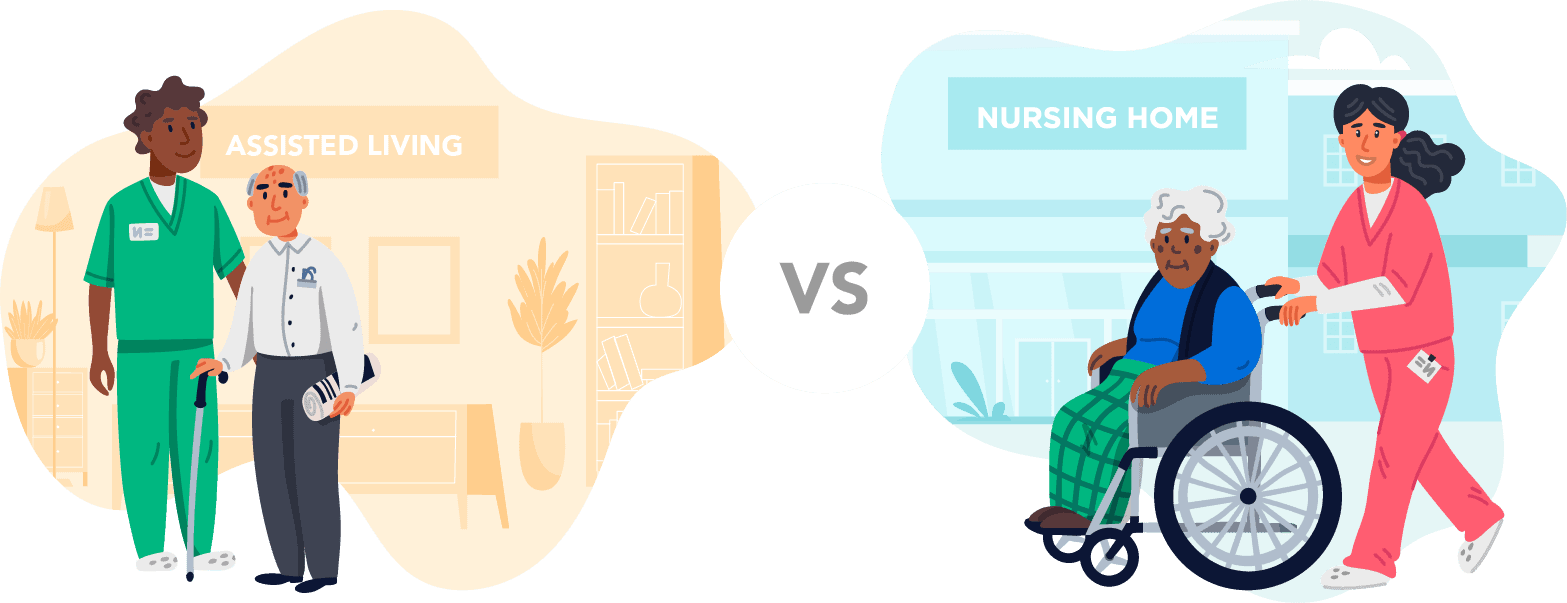
It's more important than ever for families to understand the difference between assisted living and nursing homes, as the terms have been interchangeable, but there are important differences. In generations past, the only residential care option for aging adults was a nursing home, otherwise known as a skilled nursing facility. However, these facilities are typically for aging adults who have more serious or extreme medical needs that require ongoing attention. Senior living and assisted living communities are not nursing homes. Today, many aging adults don’t need the level of care associated with that of a nursing home. We're here to help breakdown the difference between a nursing home and assisted living, along with independent care and memory care.
What’s the Difference Between a Nursing Home and a Retirement Community?
So, you’re looking into senior care for yourself or your loved one but have some questions about what the difference is between a continuing care retirement community (ccrc) and a nursing home community.
This blog will go into the differences along with more commonly asked questions to help you make an informed decision about senior care. When it comes to senior care, some might envision a hospital-like environment, and many will immediately think of the term “nursing home. ” even though modern-day senior living options — such as continuing care retirement communities (ccrcs) — have come a long way from the traditional nursing homes of the past, there is often still a misconception between the two.
Modern retirement has changed as it has advanced. It’s common now for people to be retired for two, three, even four decades. Where you live when you first retire is not necessarily where you will remain as the years progress. What many have begun thinking about is where they will end up. Adult children are also thinking about how to bring the best quality of life to their aging parents. That’s where this article comes in. Let’s talk about the differences between three forms of late-stage retirement options: assisted living communities, nursing homes, and ccrcs (or continuing care retirement communities).
A nursing home and a retirement community both provide care for adults–but in very different ways.
Retirement and assisted living communities are both options for seniors who need a supportive living environment, but they differ in the level of care and assistance provided. Retirement communities are designed for independent seniors who want to downsize from their current homes and enjoy a more social and active lifestyle. These communities typically offer a range of amenities, such as fitness centers, swimming pools, golf courses, and social events, to promote an active and engaging lifestyle. Residents in retirement communities are usually able to live independently and take care of themselves but may have access to optional services such as housekeeping, transportation, and meals.
A retirement home, also called a retirement residence or senior home, is where a community of seniors live. Focused around flexibility and independence, these types of retirement residences offer a lot of choice. Residents can choose to enjoy a fully independent lifestyle or have some care and personalized services. You might be asking, “how old do you have to be to live in a retirement home?” and you will be pleased to know that there are residents in their 70’s, 80’s and 90’s to centenarians. In a retirement home, you have your own suite, create your own schedule, and can come and go as you please.