The Benefits of Hiring a Company Secretary
A company secretary can be a valuable asset to your business. They will help you to keep abreast of regulatory trends and best practices. Additionally, they can ensure that the legal and financial aspects of your business are in order. Keep abreast of regulatory trends Company secretaries play a key role in the corporate governance of a company. Their role is to offer innovative solutions to problems, while keeping abreast of regulatory changes and other developments. They must be well versed in risk management and be outward-looking, ensuring the organisation is prepared for any challenges. As a result, company secretaries are seen as valued advisers to the board. This has facilitated the evolution of the role, away from an administrative focus towards a more strategic one. Technology is also changing the role of company secretaries, with the development of artificial intelligence and other solutions. However, company secretaries still have a role to play in terms of internal recordkeeping. With this in mind, it is important for company secretaries to be aware of the potential risks involved in the adoption of new technologies. These can range from financial to reputational. For instance, if a junior employee breaches data protection laws, the
read more →Streamlining Your USA Tax Obligations in the UAE. Professional Services for American Expats
As US citizens move abroad, they often forget their tax obligations under US law and how important filing their US returns is. Thankfully, there are various expat tax services available to assist them. These companies specialize in providing American expat tax returns, FBAR filings and global mobility services for American citizens living overseas. Furthermore, they provide assistance to individuals who have fallen out of compliance with their IRS obligations. 1. Expatriate Tax Services Americans and green card holders living as expats in the UAE can experience profound tax implications when filing their US income tax returns. Best US expat tax services in UAE offer more than just US tax consulting or US expat tax preparation , they offer guidance and counselling for all the steps in the process. From just starting out to those already settled here for some time, filing returns requires many considerations; often overlooked among these is how their work in UAE affects American taxes; to understand this aspect better it's wise to consult a CPA firm that specializes in U.S. Expat income taxation as well as Foreign National/Resident Alien (RN/RA) taxes to fully comprehend your filing obligations and understand their filing obligations when filing US returns
read more →
US Taxation of Rental Income for Non-Resident Aliens and Expats with US Property
Many non-resident aliens and expats who own or manage US property face a number of tax issues. One of the most challenging is how to properly report and pay taxes on rental income from US property. There are several options available to a nonresident alien when it comes to how they tax rental income. However, they all come with their own set of risks and challenges. 1. Effectively Connected Income (ECI) When a Non-Resident Alien or Expat with US Property (NRA) owns rental property in the United States, they generally must report their income on Schedule E of their tax return. However, depending on how they bought the property and the type of entity they own it through, they may have to file additional yearly reports. The IRS classifies the rental income of NRA landlords as Effectively Connected Income (ECI) for income tax purposes. NRA landlords must report this income on their 1040-NR tax returns under IRC SS 871(a). Effectively Connected Income, or FDAP, is taxable on a net basis at the graduated rate that applies to U.S. citizens and resident aliens. In addition, FDAP income is subject to a withholding tax of 30 percent
read more →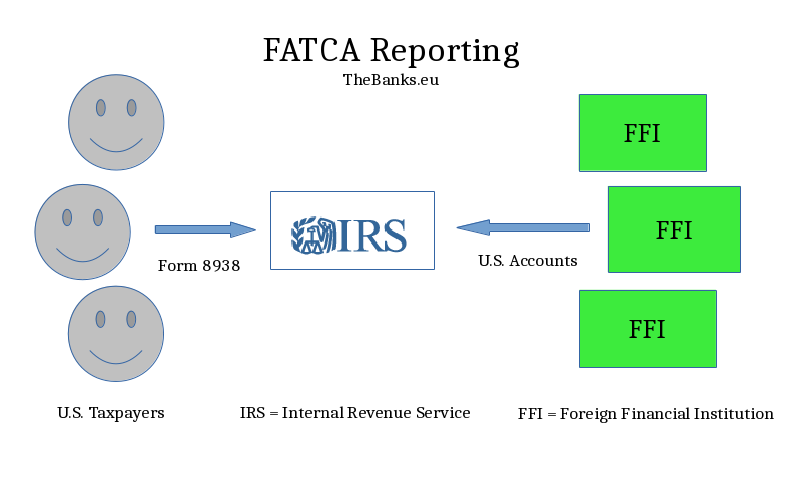
The Foreign Account Tax Compliance Act (FATCA): What It Is and How It Affects Expats
While talking with Derren Joseph from htj.tax I realized that there are many misconceptions about FACTA that I'd like to address in this article. The Foreign Account Tax Compliance Act, or FATCA, was passed by Congress to help crack down on tax evasion. It requires foreign financial institutions (FFIs) to report information about US citizens with accounts and the value of their assets to the IRS or through FATCA agreements signed with individual countries. What is FATCA? The Foreign Account Tax Compliance Act (FATCA) is a US federal law that requires financial institutions worldwide to share information about the assets and interests held by US citizens. It was enacted in 2010 and has become an important tool for combatting international tax evasion. FATCA is a complex law that involves many different aspects, including requiring U.S. citizens and green card holders who reside outside of the United States to report their non-US bank accounts to the Internal Revenue Service. It also imposes withholding and reporting requirements on certain foreign financial institutions. A number of financial institutions around the world have signed agreements with the IRS to comply with FATCA. These agreements include banks like Societe Generale,
read more →
The Tax Implications of Investing in Real Estate
Investing in real estate can be a great way to build wealth and diversify your portfolio, but it's important to understand the tax implications of this type of investment. Here's a breakdown of some of the key considerations for real estate investing and taxes: Mortgage Interest: You can deduct the mortgage interest you pay on your rental properties, which can significantly reduce your tax bill. Depreciation: You can also take a depreciation deduction for the value of your rental properties, which allows you to claim a tax break for the wear and tear of the property over time. Rental Income: Any rental income you earn from your properties is considered taxable income, and you'll need to report it on your tax return. Capital Gains: If you sell a rental property for more than you paid for it, you'll have to pay capital gains tax on the profit. However, if you've held the property for more than one year, you may be able to take advantage of the long-term capital gains rate, which is generally lower than the ordinary income tax rate. Losses: If your rental
read more →